Groovy Script: A Vintage Font for Modern Creatives
There's something about a handwritten font that instantly connects with people. It feels personal, approachable, and carries a human touch that digital type sometimes lacks. Groovy Script takes that warmth and blends it with a distinct retro flair, creating a typeface that's both nostalgic and surprisingly versatile. This isn't just another script font; it's a creative tool with a specific personality, designed to add a cool, vintage-style handwritten feel to your projects.
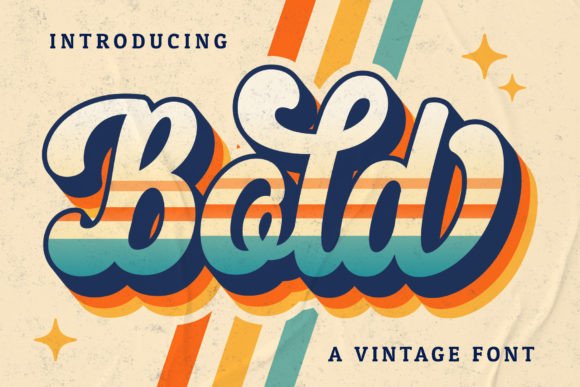
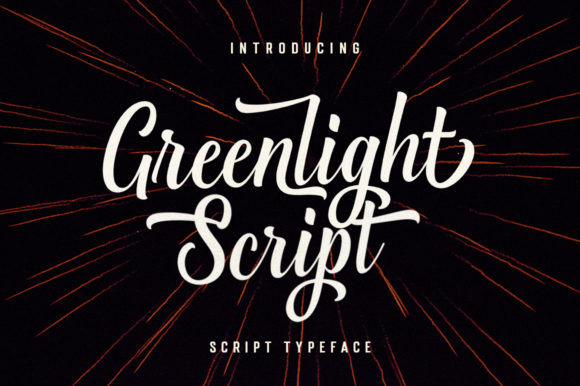
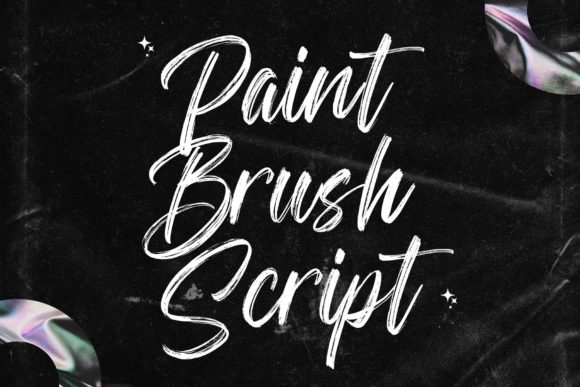
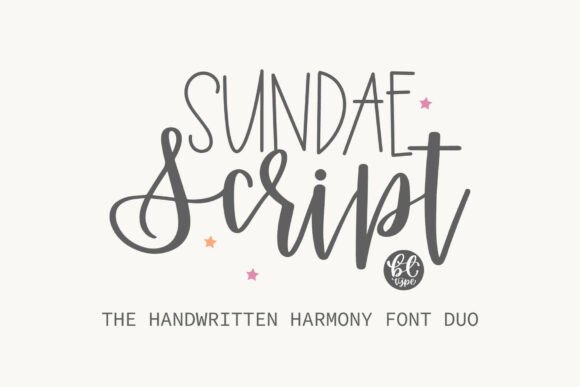
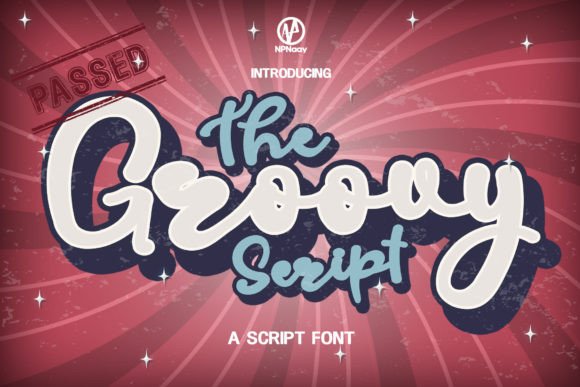
Visually, Groovy Script strikes a balance between casual elegance and playful energy. Its letterforms flow with a natural, slightly loose rhythm, mimicking the movement of a brush or marker. You'll notice soft, rounded terminals and subtle variations in stroke weight that give it an authentic, hand-lettered appearance. The style leans into that mid-century vibe—think groovy album covers, vintage signage, or retro brand logos—without feeling dated or overly kitschy. It’s a creative font that manages to feel both familiar and fresh.
Where This Vintage Handwritten Font Truly Shines
Understanding where a font like Groovy Script excels is key to using it effectively. Its strength lies in applications where personality and a touch of nostalgia are welcome. It’s a fantastic choice for logo design, especially for brands aiming for a friendly, artisanal, or retro-inspired identity. A coffee shop, a record store, a boutique clothing line, or a handmade crafts business could use it to set a welcoming and distinctive tone right from the start.
Beyond logos, consider it for your brand identity system. It can work beautifully on business cards, letterheads, and packaging design, particularly when paired with a clean sans serif font for body text. The font's character also makes it ideal for social media graphics. Quotes, promotional announcements, and story overlays gain an instant visual boost and a personal touch that encourages engagement. For editorial design, think of chapter headings in a cookbook, a magazine feature title, or a blog post header that needs to stand out.
It’s also a powerhouse for event-related materials. Wedding invitations, party flyers, thank-you cards, and stationery all benefit from its warm, handwritten aesthetic. The key is to use it in contexts where its vintage charm aligns with the project's message. It’s not the font for a quarterly financial report, but it’s perfect for a music festival poster or a local farmer's market banner.
Making Groovy Script Work in Your Designs
Choosing a premium font is just the first step. Using it well is what makes the difference. One of the most practical aspects of Groovy Script is that it's PUA encoded. This is a technical detail with real-world benefits: it means you can easily access all the extra glyphs, swashes, and alternates it includes. In simple terms, you can customize the look of certain letters to better fit your layout or add decorative flourishes, giving you more control over the final design.
When integrating it into a project, always consider readability. As a script font, it's best used for headlines, logos, and short, impactful text blocks. Avoid setting long paragraphs with it, as the connected letterforms can become difficult to read at smaller sizes. Its role is to create visual interest and hierarchy, not to deliver dense information.
A critical skill is font pairing. Groovy Script often pairs exceptionally well with a sturdy, neutral serif font or a geometric sans serif font. The contrast between the expressive, flowing script and a more structured companion typeface creates a balanced and professional look. For example, you could use Groovy Script for a main headline and a font like Lato or Open Sans for supporting text. Always test your pairings in context—see how they look on screen and in print to ensure they complement rather than compete.
Finally, think about the broader design assets in your toolkit. A font like this doesn't exist in isolation. It works best when harmonized with other elements: a cohesive color palette, appropriate imagery, and a clear layout. Its retro vibe might inspire a specific color scheme—think muted pastels, earthy tones, or bold, contrasting hues from the 70s. By considering these connections, you move from simply using a font to building a complete, compelling visual story.
Whether you're a designer looking to expand your font library, an entrepreneur building a brand from the ground up, or a crafter adding a special touch to a personal project, Groovy Script offers a reliable way to inject vintage charm and handwritten warmth. Its value lies in its specific character and the practical flexibility it offers, making it a worthy addition to any creative's collection of design assets.