Bold Script: A Vintage Font for Modern Designs
There’s a certain magic in a typeface that feels both nostalgic and fresh. You see it in the elegant swirl of a wedding invitation, the confident lettering on a craft coffee bag, or the eye-catching text of a social media sale announcement. This is the power of a well-chosen script font, and Bold Script is a prime example of a premium font that delivers this vintage charm with remarkable versatility. It’s not just a collection of letters; it’s a design tool that can instantly inject personality, warmth, and a touch of retro sophistication into your work.
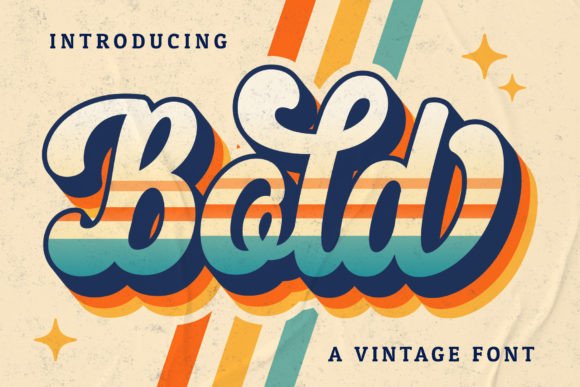
At its core, Bold Script is a display font characterized by its flowing, connected letterforms and a distinctly bold weight. Unlike delicate, thin scripts, this typeface has a confident presence. The strokes are thick enough to command attention, yet the cursive connections maintain a fluid, organic feel. You’ll notice subtle variations in line thickness that mimic the pressure of a traditional pen or brush, giving it an authentic, handcrafted quality. This isn’t a sterile, digital-looking modern typography creation; it has soul. The overall personality is approachable yet elegant, making it ideal for projects that need to feel personal and curated rather than corporate and cold.
Where Bold Script Truly Shines
The real value of any creative font lies in its application. Bold Script’s vintage flair makes it a standout choice for specific contexts where you want to evoke emotion, heritage, or artisanal quality. In logo design, it can establish a brand identity for a boutique bakery, a vintage clothing shop, or a handcrafted goods business. The bold weight ensures the logo remains legible and impactful even at smaller sizes on packaging or signage. For brand identity systems, it works beautifully for headlines, taglines, and accent text, setting a tone that is both welcoming and stylish.
Think about packaging design. A jar of artisanal jam, a bottle of small-batch sauce, or a box of luxury chocolates can all benefit from the tactile, vintage aesthetic Bold Script provides. It tells a story of craftsmanship before the customer even reads the description. In the realm of editorial design, such as magazine layouts or book covers for certain genres (think romance, historical fiction, or cozy mysteries), it can add a thematic touch to titles and pull quotes. For social media graphics, it’s a secret weapon for creating scroll-stopping posts. Use it for sale announcements, event promotions, or motivational quotes to add a human, personalized feel that generic sans serifs often lack.
Making It Work: Practical Guidance for Designers
Choosing a font is a strategic decision. Before you commit to using Bold Script, evaluate your project’s needs. Is the primary goal to convey elegance, nostalgia, or handmade authenticity? If so, it’s likely a strong candidate. However, because it’s a script font, readability is a key consideration for body text. Its strength is in headlines, logos, and short bursts of impactful copy. Pairing it correctly is crucial for a professional result. A clean, simple sans serif font or a classic serif font often makes an excellent companion for body text, allowing Bold Script to take center stage without overwhelming the reader. This creates a balanced font pairing that guides the eye through your visual hierarchy.
One of the most practical features of this font is that it is PUA encoded. This is a technical detail with a very user-friendly benefit: it means you have easy access to all the additional glyphs, swashes, and alternate characters without needing special design software knowledge. These extra flourishes can be used to customize letter connections, add decorative tails, or create unique initial letters, giving you even more control over the final look. This makes it a truly versatile design asset in your toolkit.
When working on a brand identity project, consistency is everything. Using Bold Script across various touchpoints—from the website header to business cards and social media banners—builds instant recognition. The key is to use it selectively and purposefully. Let it define the brand’s voice in key places, and support it with a more neutral font for everyday communication. This approach ensures your web design or print materials feel cohesive and professionally curated, enhancing audience engagement through a recognizable and appealing visual language.
Finally, always consider the licensing. As a commercial font, ensure you have the correct license for your intended use, whether it’s for a client project, personal merchandise, or digital products. A legitimate license not only supports the font designer but also protects you and your clients legally. By thoughtfully integrating a typeface like Bold Script, you’re not just decorating a page; you’re making a strategic choice that influences perception, builds brand equity, and connects with your audience on an emotional level. It’s a small detail that can make a significant difference in the overall impact of your creative work.