Simple Script: Where Timeless Elegance Meets Modern Design
In a digital world saturated with bold, loud graphics, there's a quiet power in sophistication. It's the handwritten note on fine stationery, the classic monogram on a luxury good, the subtle flourish that says "this was crafted with care." This is the space where Simple Script lives. It’s not just another script font; it’s a design tool built for moments that demand a touch of class, offering a bridge between the personal warmth of handwriting and the polished clarity of professional typography.
The Anatomy of Elegance: Understanding Simple Script's Visual Voice
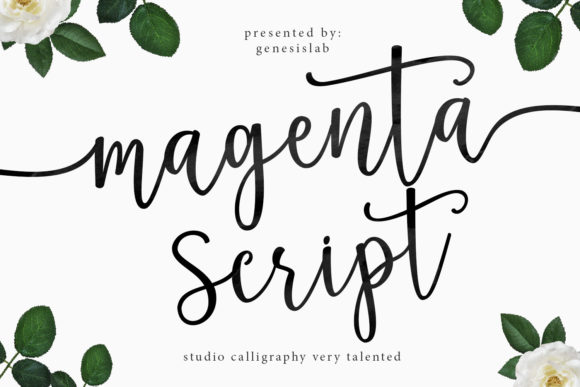
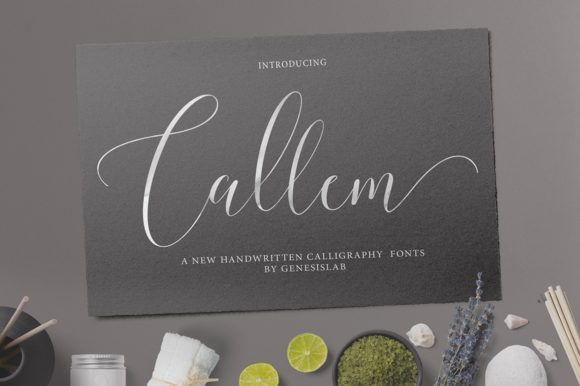
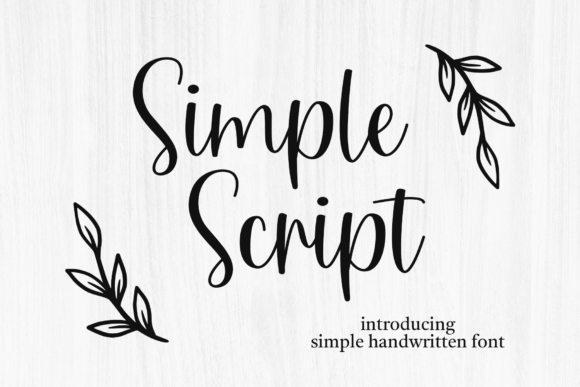
At first glance, Simple Script feels familiar yet distinct. Its characters flow with a natural, calligraphic rhythm, but they’re meticulously constructed. You’ll notice the delicate balance between thin and thick strokes—a hallmark of skilled penmanship that gives the letterforms depth and movement. The letters carry a gentle, confident slant, mimicking the angle of a nib on paper, which injects energy and a human touch into every word.
What sets it apart is its restraint. It avoids the overly ornate swashes or dramatic loops that can sometimes render script fonts illegible or dated. Instead, it prioritizes legibility and versatility. This makes Simple Script a premium font that functions beautifully as a display font for headlines while maintaining enough clarity for shorter blocks of text. Its personality is best described as chic, refined, and timelessly stylish—qualities that allow it to elevate a project without overwhelming it.
Where Simple Script Truly Shines: Practical Applications
The true test of any creative font is how it performs in the real world. Simple Script isn’t a one-trick pony; its elegant neutrality makes it a surprisingly adaptable design asset. Here’s where it consistently delivers exceptional results:
- Brand Identity & Logo Design: For brands aiming to convey luxury, artisanal quality, or personal service, Simple Script is a powerful choice. It’s perfect for boutique businesses, high-end consultants, wellness studios, or artisanal food brands. Paired with a clean sans serif font for body text, it creates a brand identity that feels both personal and professional. Think of a bakery’s logo or the masthead for a lifestyle blog—the script adds a signature touch that feels authentic.
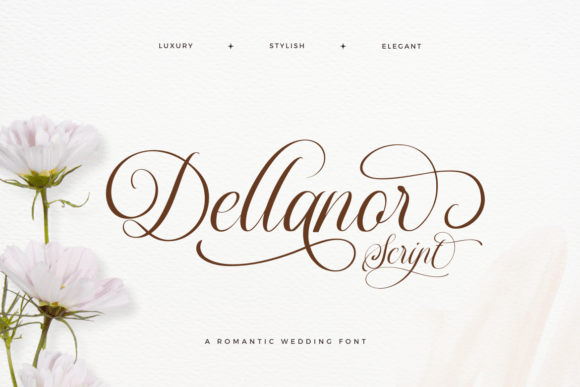
- Wedding & Event Stationery: This is a natural home for a font of this caliber. The flowing characters are ideal for wedding invitations, save-the-dates, and event programs, where they set a tone of romance and sophistication. Its clarity ensures guests can easily read the details, while its style provides the necessary glamour.
- Packaging & Editorial Design: In packaging design, especially for cosmetics, specialty foods, or luxury goods, Simple Script can highlight product names or taglines, adding perceived value. In editorial design—for magazines, lookbooks, or book covers—it works beautifully for pull quotes, chapter titles, or author names, creating visual interest and a focal point on the page.
- Digital Presence & Social Media: A modern typography approach often involves mixing font styles. Use Simple Script for Instagram story highlights, Pinterest graphics, or website hero sections to create an immediate emotional connection. It’s particularly effective for call-to-action buttons or key phrases in web design where you want to draw the eye. Just ensure it’s used at a size where its details remain crisp on screens.
- Personal Projects & Crafters: For hobbyists and crafters, this handwritten font style is a gem. It elevates DIY projects like custom greeting cards, scrapbooking titles, or personalized gifts from homemade to handcrafted with a designer’s touch.
Smart Integration: How to Use Simple Script Effectively
Introducing a script font like Simple Script into your work requires a bit of strategy. Used thoughtfully, it enhances your message; used carelessly, it can hinder it. Follow these practical guidelines to get the most out of this typeface.
Pairing for Harmony and Hierarchy
The most successful designs use font pairing to create contrast and guide the reader’s eye. Simple Script naturally draws attention, so it pairs best with fonts that are quiet and structured. A sturdy serif font can create a classic, editorial feel, while a geometric sans serif font will offer a clean, contemporary balance. The key is to let the script be the star for headlines or short accents, and let its partner handle the legible body copy. Always test your pairings at the intended size to ensure the combination feels cohesive.
Prioritizing Readability and Context
While Simple Script is designed for clarity, context is king. It’s a display font at heart. Use it for short, impactful text: logos, headlines, subheadings, or single-line accents. Avoid setting entire paragraphs in it, as the connected letters can become taxing to read in long-form content. Always consider your medium. On a printed wedding invitation, intricate details will hold. For a website button viewed on a mobile phone, ensure the word isn’t so long that the script becomes a blur. Test, test, test.
Understanding Your License and Styles
Before you commit, check the font’s package. Does it include multiple weights (Light, Regular, Bold) or stylistic alternates? These variations are invaluable for creating subtle hierarchies within your script usage. Crucially, verify the commercial font license. If you’re using it for a client’s logo, a product for sale, or widespread marketing materials, you need a license that permits commercial use. This isn’t just a legal formality; it’s a mark of professionalism and respect for the craft of font design.
Simple Script offers a rare blend of personality and polish. It’s a tool for designers, marketers, and creators who understand that elegance never goes out of style. By applying it with intention—pairing it wisely, respecting its strengths, and using it in the right context—you can infuse your projects with a sophisticated, human touch that resonates deeply with your audience. It’s a testament to the idea that in design, the simplest details often make the most powerful statements.