Mirella Script: A Modern Take on Classic French Script
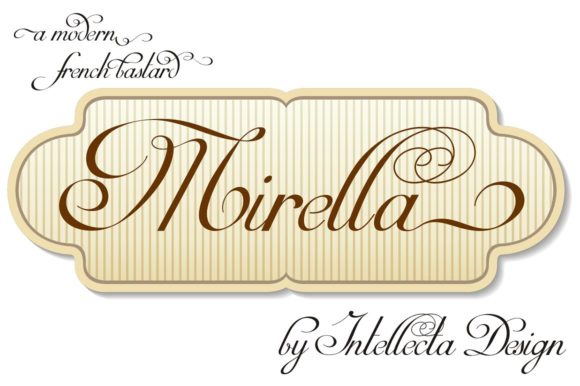
When you're searching for a script font that feels both timeless and fresh, it's easy to get lost in a sea of options. Many feel too casual, others too formal, and some just lack that spark of personality. This is where Mirella Script enters the conversation. It's not just another script typeface; it's a thoughtful reinterpretation of the classic French Bastarde style, filtered through a modern lens. The result is a font that carries historical elegance without feeling stuffy or outdated. It offers the flowing, connected letterforms you expect from a premium font, but with a cleaner, more approachable character that works surprisingly well in today's design landscape.
Think of it as the difference between a handwritten letter on parchment and a beautifully crafted invitation on quality cardstock. Both have charm, but Mirella Script leans into the latter—it's intentional, refined, and designed for impact. Its strokes have a graceful rhythm, with a balanced contrast between thick and thin lines that guides the eye smoothly across a word. The connections between letters feel natural, not forced, which contributes to excellent readability for a script font. This isn't a typeface that screams for attention; it commands it through quiet confidence and sophisticated detail.
Where Mirella Script Truly Shines
Understanding a font's personality is one thing; knowing where to deploy it is where strategy comes in. Mirella Script excels in projects where you want to inject elegance, warmth, and a touch of personal craftsmanship. It's a versatile creative font that can adapt to various contexts when used thoughtfully.
For brand identity and logo design, it's a strong candidate for businesses in the luxury, boutique, beauty, or artisanal space. A jewelry brand, a high-end bakery, a wedding planner, or a specialty coffee roaster could use Mirella Script as a primary or secondary typeface to establish an immediate sense of quality and care. It communicates that a brand values detail and aesthetics, which can significantly influence brand perception. However, it's crucial to pair it wisely. Using it for an entire logo might work for a very specific brand, but more often, it shines as the accent—perhaps for a tagline or the brand name itself—balanced with a clean serif font or sans serif font for supporting text.
In editorial design and packaging design, its strengths become even more apparent. Imagine it on the cover of a gourmet food magazine, the title of a book of poetry, or the label of a small-batch perfume. It adds a layer of sophistication and human touch that generic fonts cannot match. For packaging, especially for products like artisanal chocolates, handmade soaps, or premium teas, Mirella Script helps tell a story before the customer even reads the description. It suggests tradition, quality ingredients, and a personal touch.
The digital realm is where its modern refinement is particularly valuable. For web design, it can be used strategically for headers, pull quotes, or calls to action to break the monotony of body text and create visual interest. The key is restraint. Overusing any script font online can harm readability and feel overwhelming. Used sparingly, Mirella Script can elevate a website's aesthetic, making it feel more curated and professional. The same principle applies to social media graphics. A quote card, a promotional announcement, or a story highlight cover featuring this font can stop the scroll and convey a polished, intentional brand image.
Practical Guidance for Designers and Creators
Choosing a font is a practical decision, not just an aesthetic one. Before integrating Mirella Script into your toolkit, consider a few key factors to ensure it's the right fit for your project and workflow.
First, always test it in context. Don't just look at a specimen sheet. Set your actual headlines, your brand name, or your key phrases in Mirella Script at the size you intend to use it. Check the readability of specific letter combinations. Does the 'o' and 'w' connect smoothly? Is the capital 'S' legible when small? Evaluate it against your background color and surrounding elements. This hands-on testing is invaluable and separates a good design choice from a great one.
Next, explore font pairing possibilities. A script font like Mirella Script rarely works well alone in a full layout. It needs a partner to handle longer blocks of text and create hierarchy. A timeless combination is pairing it with a sturdy, geometric sans serif font like Montserrat or Lato for a modern feel. For a more traditional or luxurious vibe, a classic serif font like Garamond or Baskerville creates beautiful contrast. The goal is to let the script font be the star of the show while its partner provides clear, supportive structure.
Finally, understand the practicalities of the commercial font itself. Review what's included in the package. Does it come with stylistic alternates, ligatures, or swashes? These features are part of its value as a premium font, allowing for customization and unique typographic flair. Most importantly, verify the licensing. If you're using it for a client project, merchandise, or a commercial product, ensure your license covers that use. Reputable font foundries are clear about this, and respecting licensing is a mark of professionalism.
In the end, Mirella Script is more than just a set of letterforms. It's a design asset that can bridge the gap between classic elegance and contemporary clarity. It offers a solution for designers, entrepreneurs, and creators who need to convey sophistication without sacrificing approachability. By understanding its character, testing its application, and pairing it strategically, you can leverage this modern typography to build stronger visual narratives, create more engaging marketing materials, and develop a brand identity that resonates with depth and style. It’s a tool for those who believe that the details in typography are not just details—they are the essence of communication.