Almond Script: A Guide to This Elegant Script Font
The Allure of Thin, Flowing Letterforms
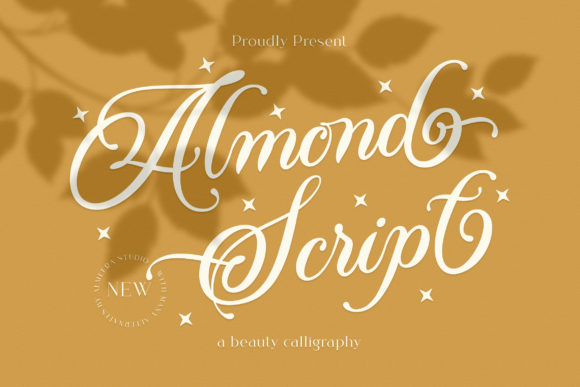
There's a specific quality in a typeface that makes you pause. It’s not just about legibility or function; it’s about feeling. Almond Script is a prime example of a script font that captures this feeling perfectly. At its core, it is a display font characterized by its thin, graceful strokes and a natural, flowing rhythm that mimics elegant penmanship. The letterforms connect with a delicate, consistent baseline, creating a sense of movement and sophistication without sacrificing clarity. This isn't a heavy, dramatic brush script; it’s a refined, airy typeface that speaks of modern elegance and understated luxury.
The personality of Almond Script is both romantic and contemporary. Its thin lettering gives it a light, almost ethereal quality, making it ideal for projects that require a touch of femininity, delicacy, or high-end appeal. Imagine it on a wedding invitation, a boutique cosmetic label, or the masthead of a lifestyle blog. The style avoids the overly ornate flourishes of vintage scripts, instead opting for a clean, modern approach to handwritten font aesthetics. This balance is what makes it so versatile—it feels personal and crafted, yet polished enough for commercial font applications. For designers and creators, this means you have a creative font asset that can instantly elevate a project's visual tone.
Where This Creative Font Truly Shines
Understanding a font's strengths is key to using it effectively. Almond Script excels in applications where visual impact and emotional resonance are paramount. In logo design, it works beautifully for brands in the fashion, beauty, wellness, or artisan food spaces. A bakery called "The Almond Branch" or a skincare line named "Serene" would find its voice through this typeface. It sets a clear brand identity that is sophisticated and approachable.
Beyond logos, its application in packaging design is a natural fit. Think of the elegant script on a candle box, a perfume bottle, or a gourmet chocolate wrapper. The font communicates quality and care, influencing brand perception before the customer even tries the product. For editorial design, Almond Script can be used for pull quotes, chapter titles, or magazine headers to add a layer of visual interest and break up the monotony of body text set in a serif font or sans serif font. It guides the reader's eye and creates a sophisticated visual hierarchy.
The digital realm is another area where this premium font can be deployed effectively. Social media graphics for Instagram stories, Pinterest pins, or Facebook ads benefit from its high readability at larger sizes and its ability to stop a scrolling thumb. On a web design level, it can be used sparingly for hero section headers or call-to-action text to inject personality, though careful consideration for screen rendering is always advised. For bloggers and content creators, it's a powerful tool for creating branded templates, lead magnets, and digital products that look professionally designed.
Practical Guidance for Using Almond Script
Choosing a font is a strategic decision. While Almond Script is a stunning design asset, its thin strokes require thoughtful implementation. First, consider readability. This font is best used at larger sizes for headlines, titles, or short phrases. Using it for lengthy paragraphs or small body text will quickly lead to eye strain and defeat its purpose. Always test your designs at the intended final size, whether on a printed page or a mobile screen.
Next, master font pairing. The elegance of Almond Script is best complemented by a simple, sturdy counterpart. A classic serif font like Garamond or a clean sans serif font such as Montserrat or Lato provides a perfect balance. The script provides the flair, while the companion font delivers the detailed information. Avoid pairing it with other ornate or highly stylized fonts, as this creates visual chaos. A good pairing enhances professionalism and ensures your message is communicated clearly.
A significant practical advantage of this typeface is its PUA encoding. This means all the beautiful alternate glyphs, swashes, and ligatures are easily accessible without needing specialized design software. In applications like Adobe Illustrator or Photoshop, you can use the Glyphs panel to explore and insert these stylistic extras, allowing for greater customization and uniqueness in your designs. This feature makes it a more flexible and valuable tool in your creative toolkit.
Finally, always review the licensing. As a commercial font, ensure your intended use—whether for a client project, merchandise, or a digital product—is covered by the license you purchase. This is a crucial step for any small business owner, entrepreneur, or designer to maintain legal and professional standards.
Final Thoughts on Selecting Your Typeface
Almond Script is more than just a collection of letters; it's a tool for storytelling. Its strength lies in its ability to convey a specific mood—elegance, grace, and modern sophistication. When evaluating if it's the right fit for your project, ask yourself: Does my brand or design call for a personal, refined touch? Am I aiming to connect with an audience that appreciates beauty and quality? If the answer is yes, this script font could be the missing piece that brings your creative vision to life, transforming a good design into a truly memorable one. Use it to create gorgeous designs